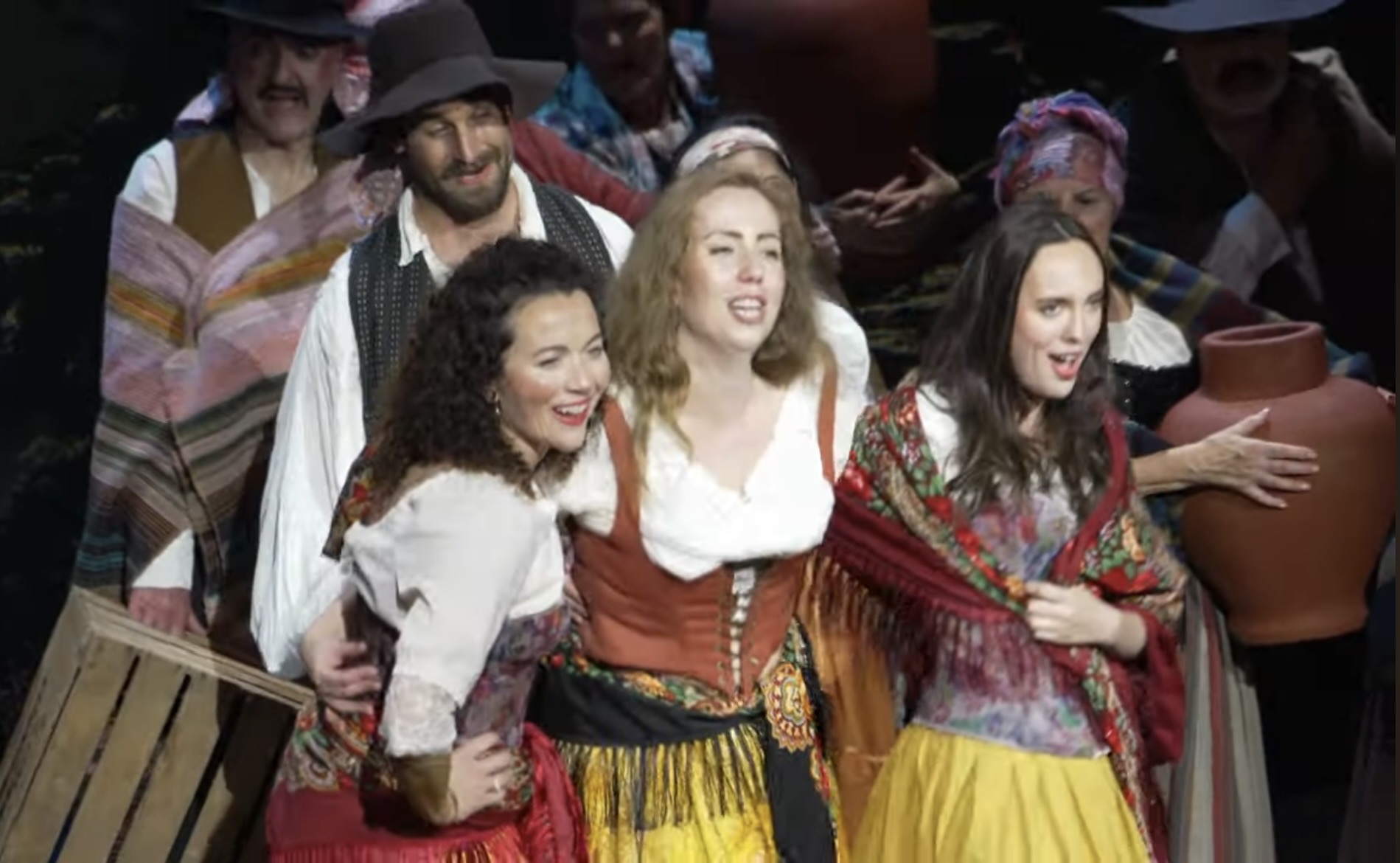
The name Arcadian Opera was chosen specifically to illustrate the fact that the opera company was founded to perform operas at Stowe, Buckingham.
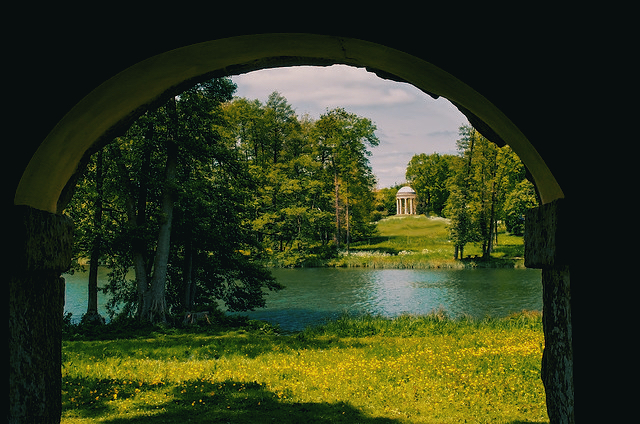
The grand landscapes and Grecian style buildings that surround Stowe House, in which the Roxburgh Hall Theatre is situated, are in the English style that was designed to emulate the vision of Arcady, a region in ancient Greece known for its pastoral beauty and simplicity and associations of rural innocence and virtuous pursuits. Arcadian landscapes, characterized by their peaceful and idyllic settings, often featuring lush greenery, gentle rolling hills, and charming rustic elements such as crumbling Grecian temples, were greatly popular in the culture of the eighteenth century. It was during this time that the celebrated gardens at Stowe were created by a plethora of the very best garden designers of that era. Firstly by Charles Bridgeman, who swept away the French style formal gardens and introduced the HaHa; Sir John Vanburgh, James Gibbs, William Kent, and Lancelot “Capabilty” Brown honed his skills here, rising from gardener’s boy to Head Gardener.
The concept of Arcadia has since been embraced by various cultures and artistic movements over the centuries. In the world of art and literature, Arcadian landscapes have played a significant role in inspiring creativity and imagination. Artists such as Nicolas Poussin and Claude Lorrain depicted idealized versions of Arcadian scenes in their paintings, showcasing a vision of harmony between nature and humanity. Writers like Virgil and Sir Philip Sidney also incorporated the notion of Arcadia into their works, portraying it as a utopian paradise where man could live in harmony with nature. Arcadian landscapes still provide a sanctuary where one can relax, unwind, and appreciate the beauty of the natural world.
Echoing the spirit that devised such landscapes Arcadian Opera brings music to combine with the art of the many landscape gardeners that shaped Stowe gardens into the internationally famous spectacle they are today.